
Why You Feel More Emotional Lately (And What Your Body Is Trying to Tell You)
Many women find it hard to describe the sudden changes they experience, which can make recognising and addressing these feelings more challenging.
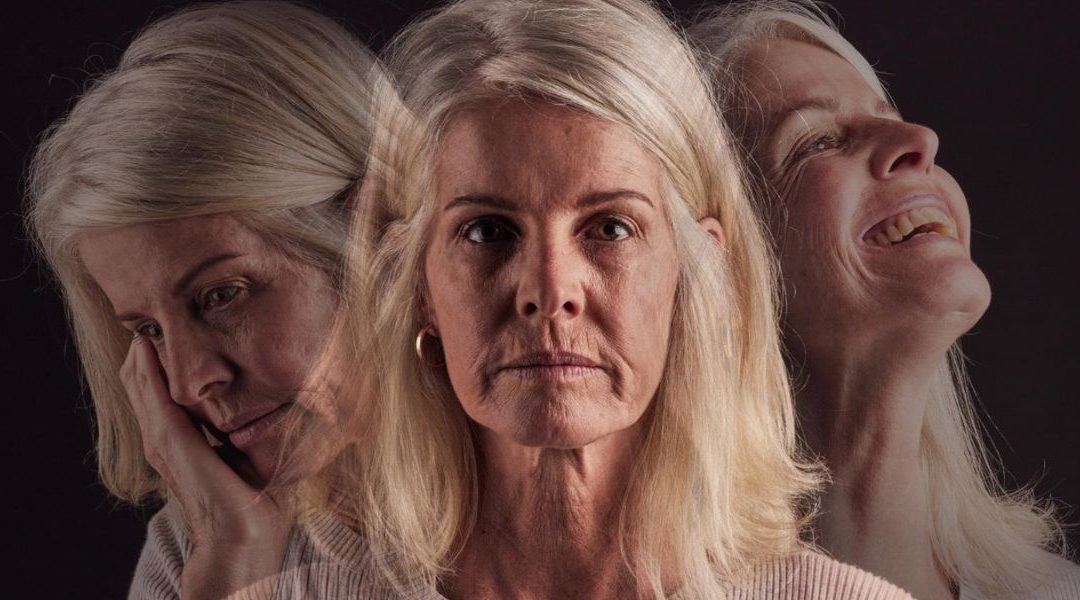
You’re more emotional than you used to be.
More sensitive.
More easily overwhelmed.
Things that used to feel manageable now seem overwhelming.
You might find yourself thinking:
Why am I reacting like this?
Why can’t I cope the way I used to?
Why do I feel so unsettled in my own body?
And quietly, underneath it all…
“I don’t feel like myself.”
If this sounds familiar, take a moment for yourself.
There is a clear reason you feel this way.
The Feeling You Can’t Quite Explain
This stage often comes without a clear name.
It shows up as restless sleep, increased anxiety, irritability, emotional overwhelm, and feeling “wired but tired.”
And because it does not always match what we expect from menopause, many women don’t realise this is often one of the earliest hormonal shifts.
You’re Not “More Emotional” — Something Is Shifting
Let’s look at this in a new way.
You are not becoming “too sensitive.”
You are not “losing your edge.”
Your body is changing its chemistry as your hormones shift.
One of the first hormones to drop during perimenopause is progesterone.
What Is Progesterone (And Why It Matters So Much)
Progesterone is often called the body’s calming hormone.
It plays a key role in helping you feel:
• emotionally steady
• relaxed
• able to cope with stress
• ready for deep, restorative sleep
It also works with estrogen to keep your cycle regular and support overall hormone balance.
When progesterone is present in healthy levels…
You feel more at ease in yourself.
What Happens When Progesterone Declines
When progesterone drops, you lose some of your body’s natural calming support.
You may notice:
• increased anxiety or tension
• disrupted sleep (especially waking at night)
• heightened emotional responses
• feeling overwhelmed more easily
• lower stress tolerance
If your sleep has changed, this may help explain why.
When it becomes harder to manage stress, rising cortisol — often linked to lower progesterone — can make these symptoms feel even more intense.
Estrogen Dominance: The Imbalance No One Explains Clearly
Here is something many women do not hear about.
Even as estrogen begins to fluctuate, progesterone often drops faster.
This creates an imbalance often called estrogen dominance.
It doesn’t always mean you have too much estrogen.
It means you don’t have enough progesterone to balance it.
This imbalance can contribute to:
• mood changes
• bloating
• breast tenderness
• irritability
• poor sleep
Many women are surprised to learn that this hormonal shift can begin in their late 30s or early 40s — often long before menopause.
Because ovulation becomes less consistent, progesterone levels may already be declining even if your cycle still appears normal.
This phase is about supporting your body as it is now, not trying to return to how it was before.
How to Support Your Hormones Gently
Support Hormonal Balance
Plant-based ingredients like Chasteberry, Wild Yam, Black Cohosh, and Dong Quai have long supported hormone balance.
If you’d like to explore how these work together:
👉 https://www.youfemism.co.za/ingredients
Always speak to a healthcare provider before starting any new supplement.
Prioritise Rest
Sleep is essential for hormone regulation.
Even small actions can help:
slow breathing
short walks
quiet time or journaling
Reduce Stress Load
Lowering daily stress helps regulate cortisol and supports hormonal balance.
Nourish Consistently
Keep blood sugar stable by eating regular meals.
Include protein, healthy fats, and fibre to support steady energy and hormone function.
You Can Feel Steady Again
This stage of life can feel unfamiliar.
It doesn’t mean you’re not yourself anymore.
It’s your body’s way of asking for a different kind of support.
You can start with small, consistent steps.
And you do not have to do this alone.
When you understand what’s happening…
you begin to feel calmer, more grounded,
more like yourself again.
Final Thought
You are not “too emotional.”
You are navigating a hormonal shift that many women don’t fully understand.
When you start supporting your body in the way it needs now…
everything begins to soften.
Frequently Asked Questions About Progesterone & Perimenopause
Are plant-based supplements like Chasteberry and Black Cohosh safe for everyone?
Plant-based ingredients such as chasteberry and black cohosh have traditionally been used to support hormonal balance.
However, every woman’s body is unique.
If you are using hormone replacement therapy (HRT), hormonal contraception, chronic medication, or managing a medical condition, it’s best to consult your healthcare provider before starting anything new.
The goal is to support your body safely — not override it.
When should I see a doctor about these symptoms or consider hormone therapy?
If your symptoms are affecting your quality of life, becoming more intense, or interfering with sleep, mood, or daily functioning, it’s a good idea to speak to a doctor.
A healthcare professional can help:
• assess your symptoms
• rule out other causes
• guide you through support options
The right support is one that feels safe, informed, and aligned with your needs.
What daily habits best support progesterone and hormonal balance?
Small, consistent habits can make a meaningful difference.
Start with:
✔ prioritising sleep
✔ stabilising blood sugar
✔ reducing stress
✔ supporting your body consistently
✔ considering gentle hormone support
The key is not doing more — but supporting your body more consistently.
How long do these symptoms last during perimenopause?
Perimenopause is a transition that can last several years.
For many women, it begins in their late 30s or early 40s and can last between 4 and 10 years.
Symptoms may come and go, change over time, and vary in intensity.
It is not permanent — it is a transition.
With the right support, many women find their symptoms become more manageable and their sense of balance returns.
Understanding what your body is going through is one of the most powerful steps you can take.
Because when you feel informed…
you feel more in control.