
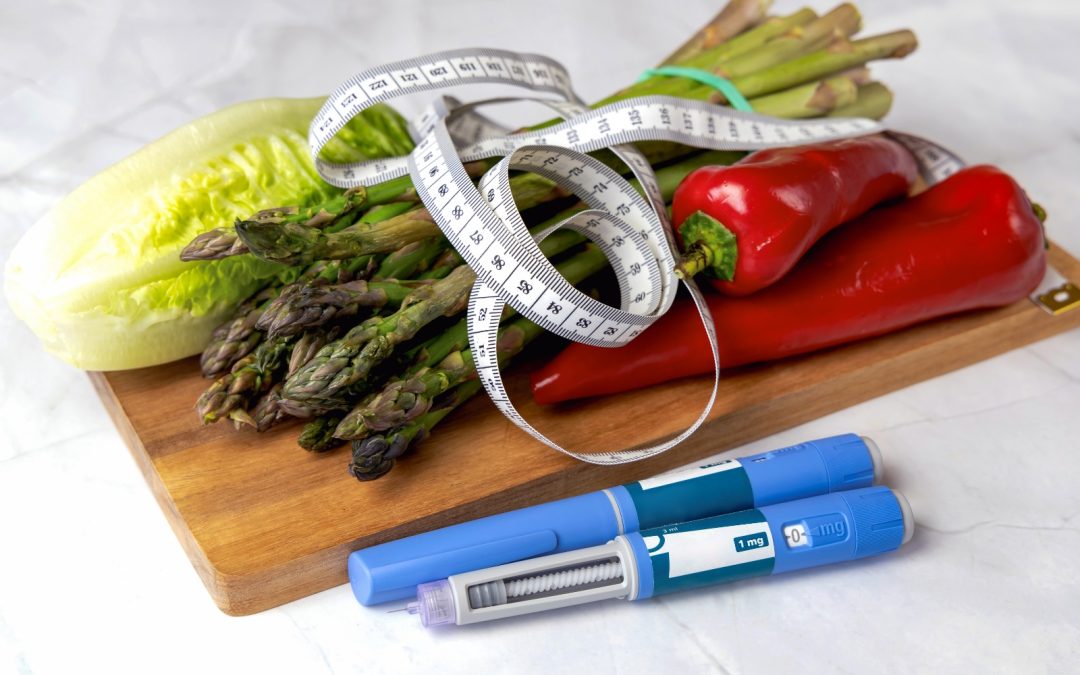
GLP-1: What It Is, Why Everyone’s Talking About It, and What Women Really Need to Know
A conversation for real women who want clarity, confidence, and balanced hormones.
Let’s Talk Honestly… Because GLP-1 Is Everywhere Right Now
If you’ve scrolled through social media lately, you’ll know that GLP-1 medications are having their moment. Ozempic, Wegovy, Saxenda… it feels like everyone knows someone who’s on it, thinking about it, or quietly researching it at 2 am because the weight won’t budge, the cravings feel louder. The hormones are all over the place.
And since we’re stepping into a season of festivities and feasting with plenty of mince pies and holiday plates calling our name, it’s natural to wonder:
Should I be using GLP-1 too?
What does it actually do in my body?
Is it safe for women in perimenopause or menopause?
And why does it seem to work so well for some women but not for others?
Let’s sit down and unpack it in plain English, without the hype, fear, or confusion.
Because at Youfemism, our goal is simple:
When you understand your body, you make empowered choices.
The Hidden Truth: Most Women Are Dehydrated and Do Not Know It
The South African summer is brutal. Add festive stress, late nights, and heat.
Add the harsh reality that many taps deliver water that smells of chemicals and tastes flat because of old pipes or broken infrastructure.
Add the habit of choosing cold drinks, iced coffees, juices, or energy drinks instead of real water.
Your body is trying. Truly. But it cannot hydrate itself with sugar, caffeine, flavourants, or preservatives.
When water is not your first drink of the day, your hormones pay the price.
First Things First: What Exactly IS GLP-1?
GLP-1 is not new. In fact, it’s not even “synthetic” by default; it’s a hormone your own gut naturally produces every time you eat.
Think of GLP-1 as your body’s gentle traffic controller:
- It slows the rate at which your stomach empties.
- It tells your brain, “We’re full now, thanks.”
- It supports insulin, helping keep your blood sugar stable.
- It helps reduce cravings.
- It supports how your body uses energy and stores fat.
The medication versions (such as Ozempic) mimic the natural GLP-1 hormone but in a stronger, longer-lasting form.
So the big trend isn’t some futuristic hack.
It’s simply turning up the volume on a hormone your body already uses.
Why Are Women Especially Over 35 So Drawn to GLP-1?
Here’s the part most people never explain:
Women metabolise differently.
Women gain weight differently.
Women respond to hormonal changes differently.
And once perimenopause arrives (even if you don’t realise it yet), the game shifts:
- Estrogen fluctuates, then drops.
- Progesterone softens, then declines.
- Insulin becomes less efficient.
- Cravings increase.
- Belly fat settles in.
- Stress feels bigger, and rest feels smaller.
And suddenly, the weight that used to budge after a week of clean eating no longer does.
So when GLP-1 enters the chat and promises easier weight loss and fewer cravings, it feels like hope.
Real hope.
And for many women, it does help. It stabilises appetite, supports insulin function, eases cravings, and fosters a calmer relationship with food
So, What Benefits Can Women See From GLP-1?
Let’s break it down simply:
1. Much better appetite control
This is the big one. The “food noise” quietens, and you feel full on smaller meals.
2. Improved insulin sensitivity
This is huge for women in perimenopause, menopause, or PCOS – all stages where insulin resistance becomes more common.
3. Steady, consistent weight loss
Not because GLP-1 magically melts fat, but because it helps you eat less without the emotional battle.
4. Reduced inflammation and better metabolic health
Lower inflammation means better heart health, better energy, and better aging.
5. For PCOS women, improved cycles and hormone balance
GLP-1 indirectly improves ovulation and lowers androgens.
So yes, the benefits are real – and for some women, life-changing.
But Here’s the Part That Doesn’t Go Viral: The Side Effects Are Real Too
And if you’re going to use GLP-1, you should go in with your eyes open.
1. Digestive issues – the most common
Nausea
Constipation
Diarrhoea
Cramping
Bloating
Loss of appetite (sometimes extreme)
which happens because GLP-1 slows digestion.
For some women, it improves. For others, it doesn’t.
2. Muscle loss is especially concerning for women. 40+
Here’s the truth no one warns you about:
When GLP-1 reduces appetite, you naturally eat less.
When you eat less, you risk losing muscle, not just fat.
For midlife women, this is massive because muscle = metabolism.
Lose muscle, and everything becomes harder:
- burning fat
- maintaining weight
- staying strong
- ageing well
Which is why protein and strength training become non-negotiable on GLP-1.
3. Loose skin and collagen decline
Rapid weight loss can mean:
- facial sagging (the infamous “Ozempic face”)
- looser skin
- more visible wrinkles
This is more common in women over 40, when collagen already begins to decline.
4. Gallbladder issues
Yes, gallstones.
Rapid weight loss can trigger them, and women are already more prone.
5. Slowed digestion or gastroparesis
Some women experience ongoing:
- early fullness
- vomiting
- severe nausea
Which isn’t common, but it happens.
6. Mood and mental health shifts
Women have reported:
- emotional flatness
- anxiety
- low mood
- reduced motivation
The link isn’t fully understood, but the pattern is real.
7. Not safe in pregnancy or breastfeeding
GLP-1 must be stopped two months before trying to conceive.
So, Is GLP-1 a Good Idea for Women?
Here’s the honest answer:
GLP-1 can be a powerful tool, but it’s not a magic fix.
It helps with:
- appetite
- cravings
- insulin
- energy
- weight loss
But it does not correct the underlying drivers of midlife weight gain.
- hormone imbalance
- poor sleep
- chronic stress
- low progesterone
- declining estrogen
- inflammation
- cortisol dysregulation
- thyroid slowdown
Once you stop GLP-1, those factors remain.
Which is why supporting your body holistically is essential.
Where Our Hormone-Balancing Cream Fits Into This Conversation
Women often tell us:
“I only started losing weight once my hormones felt more stable.”
And that makes perfect sense.
When hormones settle, insulin improves.
When insulin improves, cravings calm.
When cravings calm, weight naturally shifts.
When the nervous system softens, stress eating reduces.
Youfemism’s hormone-balancing cream supports the body’s natural rhythm by helping:
- stabilise mood
- support estrogen and progesterone balance
- reduce inflammation
- calm cortisol
- promote better sleep
- regulate appetite signals
And when your hormones feel supported, everything else, including GLP-1, lifestyle changes, and natural weight loss, works more efficiently.
We’re not here to replace your choices.
We’re here to make sure your body thrives alongside them.
Because hormone harmony feels better than hustle, and it always will.
Final Thoughts
If you’re thinking about GLP-1, that’s okay.
If you’re already using it, that’s okay.
If you prefer natural solutions, that’s okay too.
Your body.
Your story.
Your season of life.
Just know this:
You deserve to feel informed.
You deserve balanced hormones.
You deserve a body that supports your joy – not your exhaustion.
And whether your journey includes GLP-1, lifestyle shifts, or natural hormone support with Youfemism…
You are not navigating this alone.
Find out more about our beautiful, natural hormone-balancing cream. Click here.