
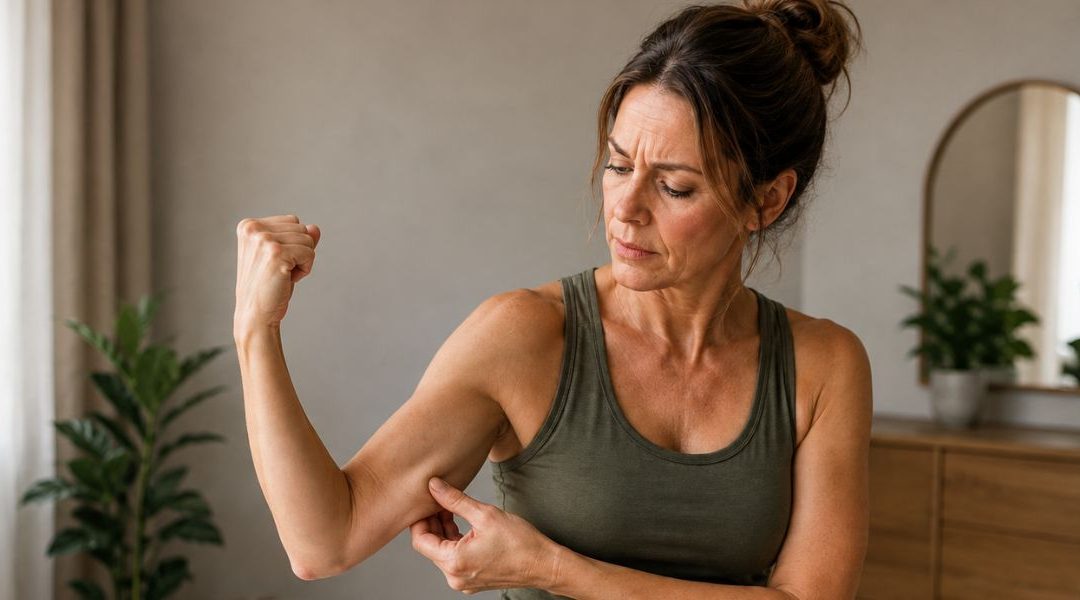
The Surprising Link Between Hormones, Inflammation & Joint Pain
“Yesterday I felt fine. Today I can barely get out of bed.”
It’s one of the most common conversations we have with women.
“My shoulders hurt.”
“My feet are sore when I first stand up.”
“I can’t open jars anymore.”
“My hips ache at night.”
“My fingers are stiff every morning.”
Many women assume the same thing:
“I must be getting arthritis.”
Sometimes arthritis is the cause. You should always discuss persistent joint pain with your healthcare professional. But for thousands of women in their forties and fifties, something else is happening.
The sudden appearance of widespread aches and pains often coincides with one of the biggest hormonal shifts of a woman’s life: perimenopause and menopause.
The surprising part?
Many women don’t realise that hormones affect not just their reproductive system but also their muscles, joints, tendons, ligaments, bones, and their bodies’ ability to handle inflammation. Estrogen, for example, helps regulate the immune system and keeps inflammation in check. When hormone levels change or drop, the body may make more inflammatory chemicals, which can make tissues more sensitive and slower to heal. These changes also impact how strong and flexible connective tissues like cartilage, tendons, and ligaments stay.
Understanding why this happens is often the first step towards feeling like yourself again.
Your Hormones Do More Than Control Your Period
When people think about estrogen, they usually think about fertility or hot flushes. In reality, estrogen receptors are found throughout the body, including in the joints, muscles, tendons, ligaments, bones, skin, brain, and cardiovascular system.
This means changing hormone levels don’t just affect your reproductive system. They affect your entire body.
During perimenopause, hormone levels fluctuate dramatically before eventually declining after menopause. These ups and downs can cause symptoms that seem unrelated at first, until you start to see the connection.
Why Does Everything Hurt?
There isn’t one single reason. Several biological changes occur simultaneously.
1. Estrogen Helps Control Inflammation
One of estrogen’s lesser-known jobs is helping regulate the body’s inflammatory response. As hormone levels fluctuate, inflammatory chemicals can become more active.
After activities like gardening, exercising, or carrying shopping bags, your body might stay inflamed longer than it used to, instead of bouncing back quickly.
The result?
- aching muscles
- tender joints
- stiffness
- slower recovery
- increased pain sensitivity
Many women describe it as feeling as though they’ve suddenly aged ten years.
2. Collagen Production Begins to Decline
Collagen is the body’s structural protein. It provides strength and flexibility to tendons, ligaments, cartilage, skin, and connective tissue.
Research shows women can lose a significant amount of collagen during the first years after menopause. Less collagen means tissues become less resilient. This can contribute to joint stiffness, reduced flexibility, tendon irritation, slower healing, and an increased risk of injury.
It’s one reason activities you’ve enjoyed for years may suddenly become painful.
3. Your Muscles Change Too
Hormones also influence muscle maintenance. As hormone levels decline, muscle mass naturally decreases unless actively maintained. Less muscle means reduced joint support, poorer posture, increased tendon strain, greater fatigue, and increased risk of injury.
Joints often get blamed for pain, but sometimes it’s because the muscles around them aren’t giving as much support as before.
Frozen Shoulder: The Menopause Connection Few Women Know About
One condition increasingly linked with menopause is frozen shoulder, also called adhesive capsulitis. Women between 40 and 60 are affected far more often than men. Symptoms include:
- pain when lifting the arm
- difficulty reaching behind your back
- disturbed sleep
- progressive loss of shoulder movement
- stiffness lasting months
Researchers believe declining estrogen may influence inflammation and collagen changes around the shoulder capsule, making women more susceptible during midlife.
While not every frozen shoulder is hormone-related, menopause appears to increase the risk.
Why Do My Feet Hurt Every Morning?
Many women notice intense heel pain when taking their first steps after getting out of bed. One possible cause is plantar fasciitis. The plantar fascia is a thick band of connective tissue supporting the arch of the foot.
When collagen quality changes and inflammation increases, this tissue may become more easily irritated. Women often report:
- stabbing heel pain
- soreness after sitting
- discomfort after walking
- pain easing once they start moving
This is another way hormones can affect connective tissues all over the body, not just the reproductive organs.
Sore Hips That Wake You at Night
Lying on one side suddenly becomes uncomfortable. Turning over wakes you repeatedly. Walking upstairs feels different. Hip pain is another common complaint during menopause. Possible contributing factors include:
- reduced muscle support
- tendon inflammation
- collagen changes
- altered posture
- weight redistribution
- increased inflammation
Some women develop inflammation around the hip tendons, sometimes called greater trochanteric pain syndrome. Again, hormones might not be the only reason, but they can definitely play a part.
Why Do My Hands Feel So Stiff?
Morning hand stiffness is another symptom women frequently mention. You may notice:
- swollen fingers
- rings becoming tight
- aching knuckles
- difficulty gripping
- reduced dexterity
Fluid balance changes, inflammation, and connective tissue changes can all play a role.
If symptoms are severe, persistent, or associated with significant swelling or deformity, it’s important to seek medical assessment to exclude inflammatory arthritis or other medical conditions.
The Morning Stiffness Mystery
Many women describe feeling “rusty” first thing in the morning. This happens because joints naturally stiffen after prolonged inactivity. When inflammation is already elevated and connective tissues have become less flexible, those first few steps can feel surprisingly painful.
The encouraging news? Gentle movement often helps. That’s because movement stimulates circulation, lubricates joints, and warms muscles.
Supporting Your Body Naturally
Although we cannot stop hormonal change, we can support the body through it. Small, consistent habits often make a noticeable difference over time.
Keep Moving
Movement truly is medicine. The goal isn’t punishing exercise. It’s regular, gentle movement that nourishes your joints. Excellent choices include:
- walking
- swimming
- Pilates
- yoga
- resistance training
- stretching
- rebounding
- mobility exercises
Strong muscles help protect vulnerable joints.
Prioritise Omega-3 Fats
Omega-3 fatty acids have been widely studied for their role in supporting a healthy inflammatory response.
Include foods such as:
- sardines
- salmon
- mackerel
- anchovies
- walnuts
- flaxseed
- chia seeds
If considering supplementation, discuss the most appropriate option with your healthcare provider, particularly if you take blood-thinning medication.
Don’t Forget Your Minerals
Healthy muscles and joints depend on more than calcium alone. Magnesium contributes to normal muscle and nerve function, while trace minerals support hundreds of biochemical processes involved in movement, muscle contraction and recovery.
A balanced diet rich in vegetables, nuts, seeds, legumes and quality protein helps provide these essential nutrients. Staying well hydrated also supports healthy connective tissue and joint function.
Eat Enough Protein
Protein provides the building blocks needed to maintain muscle. Without adequate protein, age-related muscle loss accelerates. Aim to include quality protein with each meal, such as:
- eggs
- fish
- lean meats
- dairy
- legumes
- tofu
When combined with strength-based exercise, adequate protein helps preserve the muscles that stabilise your joints.
Where Does Youfemism Fit In?
If fluctuating hormones are contributing to the way your body feels, supporting hormone balance may help you navigate this transition more comfortably.
At Youfemism, we understand that menopause rarely presents with just one symptom. Many women experience a combination of:
- hot flushes
- poor sleep
- mood changes
- brain fog
- fatigue
- joint discomfort
- muscle aches
Our Women’s Essential Hormone Balancing Cream combines nine carefully selected botanical ingredients traditionally used to support women through hormonal transition.
Applied transdermally, it is designed to support overall hormonal harmony as part of a broader wellness approach that includes nourishing food, movement, good sleep, hydration, and stress management.
Because hormone balance takes time, consistency is key. Many women notice improvements in some symptoms within the first few weeks, while others continue to improve over two to three months of regular use. Every woman’s experience is unique.
When Should You See Your Doctor?
While hormonal changes can contribute to aches and pains, don’t ignore symptoms that could indicate another medical condition. Seek medical advice if you experience:
- severe joint swelling
- redness or warmth
- sudden inability to bear weight
- persistent pain affecting daily life
- unexplained weight loss
- fever
- symptoms affecting only one joint without obvious cause
A proper assessment helps ensure the correct diagnosis.
The Bottom Line
If you’ve found yourself wondering why your shoulders hurt, your feet ache, your hips throb at night or your hands feel stiff every morning, you’re certainly not imagining it. Your hormones influence far more than your menstrual cycle. They affect the health of your connective tissues, muscles, bones and inflammatory response throughout your body.
The good news is that understanding why your body feels different allows you to make informed choices.
With the right combination of movement, nutrition, healthy minerals, omega-3 fats, adequate protein, stress management and natural hormone support, many women find they regain comfort, confidence and quality of life.
To make it easier to remember, try to focus on these simple daily habits:
– Move your body regularly with gentle exercise.
– Eat a balanced diet that includes plenty of protein, healthy fats (especially omega-3s), and a variety of vegetables and whole foods.
– Ensure you get enough magnesium, calcium, and trace minerals.
– Stay hydrated throughout the day.
– Prioritise good sleep and find ways to reduce stress.
– Support your hormones naturally if needed, and reach out for help when you need it.
You are not “falling apart.” Your body is changing, and with knowledge, patience, and the right support, you can learn to work with those changes rather than fight them.
A Note from the Author
If this article resonated with you, know that you are far from alone. At Youfemism, our mission is to help women understand the science behind their symptoms so they can make informed decisions about their health with confidence.
We are passionate about sharing evidence-based education in language that makes sense.
If you would like the scientific references and research that informed this article, email us, and we’ll gladly send them to you.