
The hidden secret to better bladder control, less back pain, a stronger core, and renewed confidence in midlife
“The strongest part of your body isn’t the one you see in the mirror. It’s the one supporting you from within.”
You may not realise that getting a flatter tummy isn’t about starting another diet. Few know that issues like bladder leaks, aching hips, lower back pain, poor posture, and even a lower libido can all be linked to a small group of muscles deep inside the body. Instead, we’re told to eat less. Exercise harder. Do more sit-ups. Hold our stomachs in. Accept that “these things happen” after having children or reaching menopause.
But what if the real solution isn’t about pushing yourself harder? What if it’s actually about rebuilding your body’s foundation?
For millions of women, especially during perimenopause and menopause, the deep core and pelvic floor get weaker over time. This doesn’t just change how your body looks; it can affect how you stand, walk, exercise, sleep, laugh, sneeze, lift things, and even how you feel about yourself.
The good news?
Your body is incredibly adaptable. With the right information, a few simple daily habits, and support for your changing hormones, you can start building strength from the inside out. And that can make a big difference.
Sarah’s story. “I Thought It Was Just Ageing”
Sarah is 52. Like many women, she’d accepted that crossing her legs before sneezing was simply part of getting older.
Her lower back ached most evenings. Her hips felt stiff when she stood after sitting for long periods. Despite eating well and walking regularly, she couldn’t understand why her lower tummy seemed to stick out more than ever. Intimacy wasn’t as comfortable as it used to be, and she found herself avoiding long walks because she always wanted to know where the nearest toilet was.
She blamed menopause. She blamed age. She even blamed herself. What she didn’t realise was that many of these seemingly unrelated problems shared the same root cause: a weakened deep core and pelvic floor. Sarah’s story isn’t unusual. In fact, you might find her story sounds a lot like your own.
Your Body Isn’t Letting You Down
One of the biggest misconceptions about ageing is that these changes are simply inevitable. They’re common. But just because something is common doesn’t mean it’s normal.
Your body is constantly adapting to the demands placed upon it. The pelvic floor and deep core muscles are no different. Just like the muscles in your arms or legs become stronger with use and weaker when neglected, the muscles supporting your pelvis respond to how you move, breathe, exercise, and even how your hormones change over time.
The good news is that you can retrain your muscles. And you can do this at almost any age.
Meet the Hidden Foundation of Your Body
Imagine a hammock stretching from your pubic bone at the front to your tailbone at the back. This hammock is made up of layers of muscles, ligaments, and connective tissue known as the pelvic floor.
These remarkable muscles support your bladder, uterus, and bowel.
They also help control bladder and bowel function, support your pelvic organs during movement, contribute to sexual function, and continuously stabilise your body. But the pelvic floor doesn’t work alone. It forms part of a remarkable team known as the deep core.
This team includes the pelvic floor, the diaphragm, the transverse abdominis (your deepest abdominal muscle), and the multifidus muscles that support your spine. You can think of these muscles as your body’s natural corset.
When these muscles work together, they provide stability before your arms and legs even begin to move. Every time you lift a shopping bag, climb the stairs, stand from a chair, or reach overhead, your deep core should quietly switch on first. When it doesn’t, other muscles have to compensate. That’s often when problems start.
Why Does Menopause Weaken the Pelvic Floor?
Many women become frustrated by what they describe as the “menopause tummy.” While hormonal changes certainly play a role, weakened deep core muscles are often an overlooked contributor.
The transverse abdominis wraps around your abdomen like a wide supportive belt. Its job isn’t to create visible six-pack muscles. But its job is even more important than that.
It gently supports your spine, organs, and posture while helping regulate pressure in the abdomen. When this muscle becomes weak, the abdominal wall loses support, posture begins to collapse, the lower tummy can push forward, the pelvis becomes less stable, and the lower back works much harder.
The result? You may appear to have a larger tummy even if your weight hasn’t changed very much. That’s why doing endless crunches often doesn’t give you the results you want. They strengthen the outer abdominal muscles but often neglect the deepest layer that supports your core.
Getting a flatter tummy starts with building a stronger foundation.
Why Your Menopause Tummy Isn’t Just About Weight
Perimenopause and menopause affect far more than reproductive health. Estrogen plays an important role in maintaining muscle strength, collagen production, blood flow, and tissue elasticity. As levels decline, pelvic tissues may gradually lose some of their strength and resilience.
Progesterone also contributes to healthy sleep, relaxation, and recovery. When sleep suffers, muscle recovery suffers too. Many women notice:
- bladder urgency
- urinary leakage
- pelvic heaviness
- vaginal dryness
- discomfort during intimacy
- lower back pain
- reduced stability
- increasing fatigue
Stress can make things even more complicated. Consistently elevated cortisol can increase muscle tension, affect breathing patterns, and encourage shallow chest breathing rather than deep diaphragmatic breathing.
Over time, this reduces the natural coordination between the diaphragm and pelvic floor. It’s easy to see why so many women end up feeling disconnected from their bodies.
Everyday habits that quietly weaken the pelvic floor
The pelvic floor doesn’t suddenly become weak overnight. It gradually responds to years of everyday life. Some of the biggest contributors include:
- pregnancy and childbirth
- hormonal changes during perimenopause and menopause
- chronic constipation
- carrying excess body weight
- prolonged sitting
- Repeatedly lifting heavy objects without engaging the core.
- chronic coughing
- shallow breathing
- high stress levels
- avoiding exercise because movement feels uncomfortable
None of this means you’ve done anything wrong. It just means your body has been adapting. Now it’s time to help your body adapt more healthily.
Introducing the Youfemism Foundation Formula
If you’ve ever searched online for pelvic floor exercises, you’ve probably been overwhelmed by endless lists of movements, tips, and techniques. The truth is, lasting strength isn’t built by trying everything. It’s built by doing the right things consistently.
At Youfemism, we believe pelvic health is about far more than strengthening a single muscle. It’s about restoring the foundations that support your whole body and your overall wellbeing.
That’s why we’ve created The Youfemism Foundation Framework, a simple, holistic approach that brings together movement, breathing, hormone support, and healthy daily habits.
Rather than chasing quick fixes, you’ll be rebuilding strength from the inside out.
One: Breathe
Everything begins with your breath.
Your diaphragm and pelvic floor are designed to work together like dance partners. As you inhale deeply, your diaphragm lowers, and your pelvic floor gently lengthens. As you exhale, both naturally rise again.
Many of us spend years breathing into our upper chest because of stress, poor posture, or rushing through life. Learning to breathe with your diaphragm again helps these muscles work together as they should.
Try this: Place one hand on your ribs and one on your abdomen. Breathe slowly through your nose. Allow your ribs to expand sideways.
As you exhale, gently imagine lifting your pelvic floor while drawing your lower tummy inwards, not forcefully, but softly. Practice for five minutes each day.
You might be surprised at how quickly your body remembers what it’s meant to do.
Two: Activate
Your deepest abdominal muscle, the transverse abdominis, is often described as your body’s natural corset. Unlike traditional abdominal exercises, activation isn’t about sucking your tummy in. Instead, imagine gently zipping up a snug jacket.
This movement should feel gentle and subtle. You should still be able to breathe normally. Once you learn this gentle engagement, begin using it throughout your day.
Before lifting. Before standing. Before climbing stairs. Before carrying groceries. These small actions slowly teach your body to support your spine automatically.
For example, gently activate your core before lifting groceries out of the car, when standing up from a chair, reaching for something on a high shelf, or getting out of bed in the morning. Try lightly zipping up your core when you bend down to play with a child, walk up stairs, or carry a shopping bag. By weaving these moments into your normal routines, core activation becomes second nature.
Three: Move
Movement is medicine.
It’s not just about burning calories, it’s about helping your body work the way it’s meant to.
Every step you take activates a remarkable chain reaction throughout your body. Your hips move, your glutes engage, your spine stabilises, your core gently switches on, and your pelvic floor responds with every stride. You don’t need an expensive gym membership to rebuild strength.
Some of the most effective forms of movement include:
- Walking
- Swimming
- Pilates
- Yoga
- Resistance training
- Stretching
- Dancing
- Gardening
The best exercise is the one you can stick with regularly.
Try to move every day, even if it’s just for twenty or thirty minutes. If you have joint pain, limited mobility, or other health issues, remember you can always adapt your movement. Gentle activities like chair exercises, swimming, or shorter sessions are great ways to stay active safely. Your body doesn’t need perfection; it just needs regular care.
Four: Strengthen
Now it’s time to build strength. Not through punishment. Through purposeful movement.
Pelvic floor exercises
Imagine trying to stop the flow of urine or gently lifting a blueberry with your pelvic muscles. Lift. Hold for five seconds. Release completely. Relaxing afterward is just as important as contracting.
Try to do eight to twelve good repetitions. As you get stronger, you can slowly add more reps or another set. You might also hold each contraction a little longer to keep challenging your muscles. Progress takes time, so notice what feels right for you and build up gradually.
Remember, stronger isn’t always tighter. Healthy pelvic floor muscles need to contract and relax equally well.
Squats
Few exercises strengthen the body as effectively as a well-performed squat.
Squats recruit your:
- glutes
- thighs
- hips
- deep core
- pelvic floor
Start with bodyweight squats. Keep your chest lifted, knees tracking comfortably over your feet, and breathe steadily throughout the movement.
Doing the exercise well is more important than doing lots of repetitions.
Planks
Planks are one of the best whole-body exercises for improving deep core stability. Even holding a plank for fifteen to thirty seconds activates muscles that traditional sit-ups often miss. If a full plank feels difficult, begin on your knees.
Progress gradually. You don’t need to set any records. The goal is to build resilience.
Five: Balance
Strength is only one part of the equation. Your body also needs balance. That means balancing activity with recovery. Stress with relaxation. Movement with sleep. Exercise with nourishment.
This is particularly important during perimenopause and menopause, when fluctuating hormones can affect everything from muscle recovery to energy levels and motivation. If you’ve ever felt exhausted before you’ve even started exercising, it isn’t because you’re lazy. Your body may simply be asking for better support.
Prioritise:
- quality sleep
- adequate protein
- colourful vegetables
- healthy fats
- hydration
- stress management
- time outdoors
- gentle recovery after exercise
These simple habits help your muscles recover and get stronger.
Six: Thrive
The final pillar isn’t about achieving the perfect body. It’s about reclaiming confidence. When your pelvic floor becomes stronger, women often notice benefits they weren’t expecting.
They stand taller. They walk with greater confidence. They feel more stable. They move without fear. They laugh without worrying about bladder leaks. They enjoy intimacy again. They begin trusting their bodies.
And that might be the biggest change of all.
Ancient Wisdom Meets Modern Science
Traditional Chinese medicine has long recognised the importance of preserving what is often described as our vital life energy. Practices such as Qigong, Tai Chi, gentle breathwork, and mindful movement encourage relaxation, improve posture, enhance circulation, and strengthen the body from the inside out.
Another centuries-old practice that has stood the test of time is the use of Chinese jade balls, sometimes called Ben Wa balls or pelvic floor balls.
Traditionally carved from smooth jade, these small, weighted spheres are gently inserted into the vagina, where the pelvic floor muscles naturally contract to hold them in place. Rather than actively squeezing, the body responds to the subtle weight and movement of the balls by automatically engaging the deep pelvic muscles during everyday activities such as walking or standing.
If you are new to jade balls, begin slowly. Start with a short duration, try wearing them for just 5 to 10 minutes while you are standing or moving gently around your home. Use them once per day at first, and see how your body responds. As your comfort and muscle strength improve, you may gradually increase the duration by 5 minutes at a time, up to around 20 to 30 minutes per session.
It is not necessary to wear them for long periods or attempt vigorous movements. Quality and comfort are more important than time. Always listen to your body and remove the balls if you feel any discomfort. Remember, jade balls should only be used while upright and active, not while sleeping or lying down.
However, jade balls are not suitable for everyone. In particular, you should avoid using jade balls if you have symptoms or conditions such as significant pelvic organ prolapse, pelvic or vaginal pain, a current pelvic infection, are pregnant, experience unexplained bleeding, have discomfort when inserting anything into the vagina, or if you are unsure about your pelvic health in general.
Anyone experiencing issues like downward pressure, a bulge or heaviness in the vagina, frequent or severe bladder leaking, or persistent pain should also use caution. It is important to speak with a qualified pelvic health physiotherapist or healthcare professional before using jade balls to ensure they are safe and appropriate for you.
If you are ever unsure whether jade balls are right for you, professional guidance will provide reassurance and help you choose the best approach for your needs.
You can think of jade balls as resistance training for muscles you don’t see. With regular, appropriate use, jade balls may help to:
- Strengthen the pelvic floor muscles.
- Improve bladder control
- Enhance deep core stability.
- Support better posture
- Improve circulation to the pelvic tissues.
- Increase vaginal tone
- Improve body awareness
- Enhance sexual sensation and confidence during intimacy.
Many modern pelvic health physiotherapists recommend weighted pelvic floor trainers as part of a comprehensive strengthening program. They should, however, be introduced gradually and used correctly. Women with significant pelvic organ prolapse, active pelvic pain, infection, or those who are pregnant should seek advice from a qualified pelvic health physiotherapist or healthcare professional before using them.
When combined with regular planks, squats, diaphragmatic breathing, walking, and mindful movement, jade balls can become another valuable tool for rebuilding strength from the inside out. After all, true core strength isn’t built in the gym alone. It begins with the muscles you can’t see.
Don’t forget your glutes.
One of the biggest surprises for many women is discovering that strong buttock muscles help strengthen the pelvic floor. Your glutes, hips, and pelvic floor work as a team.
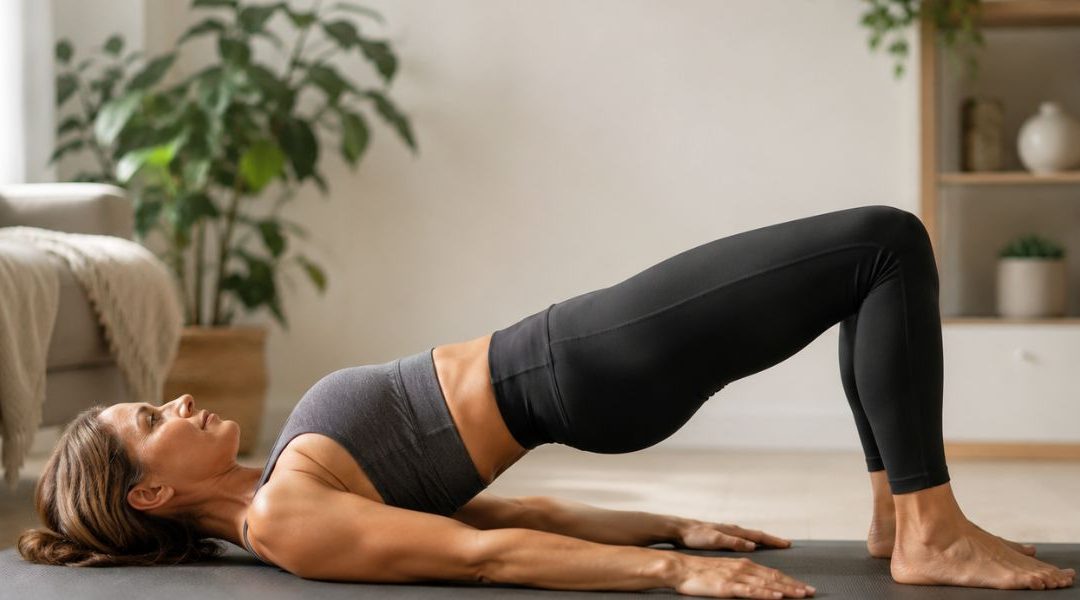
When the glutes become weak, often through prolonged sitting, the pelvis becomes less stable, forcing the lower back and pelvic floor to work much harder. Simple exercises such as bridges, step-ups, clamshells, and squats can dramatically improve hip stability while reducing pressure on the lower back.
Having stronger glutes often leads to a stronger core.
When Should You See a Pelvic Health Physiotherapist?
Although many women experience significant improvement through exercise and lifestyle changes, don’t struggle in silence if symptoms are affecting your quality of life.
A woman’s pelvic health physiotherapist can assess your pelvic floor, identify whether the muscles are weak, overactive, or uncoordinated, and develop a personalised rehabilitation program.
A typical pelvic health assessment may start with questions about your symptoms, bladder and bowel habits, and lifestyle. The physiotherapist may then perform a gentle physical examination, which could include checking your posture, breathing patterns, and pelvic floor muscle strength, either externally or with your permission, internally. This process is usually done in a safe, supportive environment and is always guided by your comfort and consent.
For example, at your first appointment, you might spend the first part of the session simply talking through your symptoms, daily routine, and any concerns you have. The physiotherapist will explain each step before asking your permission to continue. After answering your questions, they may check your posture and breathing, then gently guide you through some simple movements or muscle activations. If an internal assessment is recommended, it will only happen with your agreement. Everything is explained beforehand, so you always know what to expect. Knowing what happens in a typical session can make it easier and less daunting to seek help if you need it.
Seek professional advice if you experience:
- Persistent bladder leakage
- Pelvic pain
- Pain during intercourse
- A feeling of heaviness or bulging within the vaginS
- Bowel difficulties
- Symptoms that continue to worsen
These issues are common, but they can often be treated.
Where Does Youfemism Fit In?
Exercise strengthens muscles. Hormones influence how well those muscles function.
The two work hand in hand.
As estrogen declines, muscles and connective tissues may gradually lose some of their elasticity and resilience. Blood flow to the pelvic tissues can decrease, collagen production slows, and recovery after exercise may take longer.
At the same time, fluctuating progesterone levels can contribute to poor sleep, increased anxiety, and elevated stress, all of which make it harder to stay active and consistent with exercise.
That’s why taking a holistic approach is so helpful.
While movement strengthens the body’s framework, Youfemism Women’s Essential Hormone Balancing Cream is designed to provide natural support during this important stage of life. Formulated with a blend of plant-based ingredients, including wild yam extract, chaste tree berry, and Black Cohosh, the cream is free of parabens and artificial fragrances. It is dermatologically tested for safety and is suitable for sensitive skin. As with any new product, it is a good idea to review the ingredients and consult your healthcare provider if you have any concerns.
Many women tell us they notice improvements in symptoms that often stand in the way of rebuilding strength, including:
- better sleep
- fewer hot flushes
- improved mood
- reduced anxiety
- clearer thinking
- increased energy
- greater comfort during intimacy
- improved vaginal moisture
When you feel better, it’s easier to stay active, exercise regularly, and take care of yourself. That’s why we see hormone support and exercise as working together, not as separate things. We see them as partners in your health. One helps create the internal environment. The other helps you build lasting strength.
Myth vs Fact
Myth: A flatter tummy comes from doing hundreds of sit-ups.
Fact: Your deepest abdominal muscles provide the greatest support for your posture, spine, and waistline.
Myth: Bladder leaks are simply part of getting older.
Fact: They’re common, but they’re not something you have to accept. Pelvic floor rehabilitation often makes a significant difference.
Myth: Pelvic floor exercises are only for women after childbirth.
Fact: Every woman benefits from a healthy pelvic floor, particularly during perimenopause and menopause.
Myth: Strength training is unsafe during menopause.
Fact: Appropriate strength training is one of the best ways to support muscle mass, bone health, posture, and long-term mobility.
Small habits. Extraordinary results.
Improving your pelvic floor doesn’t require hours in the gym. It requires consistency. A few minutes of breathing. A handful of squats. A short walk. A plank.Gentle stretching. Better posture. Good sleep. Balanced hormones.
Each small habit builds upon the next. Soon, those small daily efforts start to make a big difference. You feel stronger. You move more confidently. Your back aches less. Your hips feel more stable.
You start to trust your body again.
Your Foundation Is Your Future
For too long, women have been told to shrink themselves. Eat less. Exercise harder. Ignore the discomfort. Accept that leaking, aching, and feeling unstable are simply part of aging.
But your body has never needed punishment; it’s always needed support. Your pelvic floor is far more than a group of muscles. It’s the quiet foundation beneath every step you take.
Every walk. Every workout. Every laugh. Every hug. Every dance in the kitchen. Every moment of confidence. When you strengthen your foundation, everything else becomes stronger too.
So don’t measure your progress by the number on the scales. Measure it by how confidently you stand. How freely you move. How deeply you breathe. How well you sleep. How comfortably you laugh. How joyfully you live.
True strength isn’t something that disappears as we get older. It’s something we can rebuild, one breath, one squat, and one small act of self-care at a time.
Key Takeaways
✔ A strong pelvic floor supports bladder control, posture, balance, spinal stability, and a stronger, more functional core.
✔ Deep core activation is far more effective than endless abdominal exercises when it comes to creating lasting strength and a flatter, more supported tummy.
✔ Squats, planks, diaphragmatic breathing, walking, mindful movement, and appropriately used jade balls all work together to strengthen the pelvic floor and deep core, helping to improve posture, bladder control, stability, circulation, and even intimacy.
✔ Traditional practices such as Qigong and Tai Chi can complement modern exercise programs by improving balance, flexibility, breathing, and whole-body awareness.
✔ Hormonal changes during perimenopause and menopause can contribute to pelvic floor weakness, reduced muscle tone, bladder changes, and discomfort during intimacy.
✔ Supporting hormone balance with Youfemism may help reduce symptoms such as poor sleep, hot flushes, anxiety, fatigue, and vaginal dryness, making it easier to stay active, exercise consistently, and rebuild strength.
✔ Small, consistent daily habits create lasting improvements in strength, confidence, mobility, and overall quality of life.
Ready to strengthen your foundation?
If you’ve been dealing with bladder leaks, pelvic discomfort, back pain, poor posture, hip pain, a stubborn menopause tummy, or other changes that come with shifting hormones, remember: you are not broken, and you’re definitely not alone.
With the right information, gentle movement, regular practice, and support for your hormones, your body can become stronger, more stable, and more resilient.
At Youfemism, we believe every woman deserves to feel confident in her body at every stage of life.
Check out our Knowledge Hub for more helpful articles on hormone health, movement, and wellbeing, or book a free consultation with one of our certified Hormone Health Coaches. We’d be happy to support you on your journey.
Because when women understand their bodies, they don’t age.
They flourish.
Frequently Asked Questions
Why does my tummy stick out even though I exercise?
A weakened deep core and pelvic floor can allow the abdomen to protrude, even when body fat hasn’t increased significantly. Rebuilding these muscles improves posture and provides better support for the abdominal wall.
Can menopause weaken the pelvic floor?
Yes. Declining estrogen may affect muscle tone, collagen production, and tissue elasticity, making pelvic floor weakness and bladder symptoms more common during perimenopause and menopause.
What are the best pelvic floor exercises during menopause?
Diaphragmatic breathing, pelvic floor contractions, squats, bridges, planks, walking, Pilates, and other functional strength exercises can all help improve pelvic floor strength and core stability.
Can strengthening my pelvic floor improve bladder leakage?
For many women, yes. A stronger pelvic floor can improve bladder control and reduce leaks when coughing, sneezing, laughing, or exercising. A pelvic health physiotherapist should always assess persistent symptoms.
Will pelvic floor exercises flatten my tummy?
Pelvic floor exercises won’t reduce body fat on their own. Still, when combined with deep core activation, good posture, and regular movement, they help support the abdominal wall, often creating a flatter, more supported appearance.
What are Chinese jade balls?
Chinese jade balls, also called Ben Wa balls or pelvic floor balls, are small, weighted spheres designed to activate the pelvic floor muscles gently. Used correctly, they may help improve muscle awareness, strength, and confidence.
Can hormone balance influence pelvic floor health?
Hormones influence muscle tone, connective tissue, blood flow, and recovery. Supporting hormone health alongside regular exercise may help women feel stronger, more energised and better able to maintain healthy movement habits.
Does Youfemism replace pelvic floor exercises?
No.
At Youfemism, we believe the best results come from combining movement, pelvic floor strengthening, healthy nutrition, restorative sleep, and natural hormone support.
Each supports the other.